Mastering the Pearl Knotting Tool for Jewelry Making

Intro
The world of jewelry making can sometimes feel like a labyrinth, especially when it comes to techniques that underpin the craft. Among these, the pearl knotting tool stands as a pivotal element, essential for any serious jeweler. This tool isn’t merely a gadget; it is a bridge between theory and practice, transforming raw materials into their final, elegant form. Understanding the intricacies of the pearl knotting tool is paramount, as this guide will unfold the layers of its construction, functionality, and varied applications.
When one thinks of pearl jewelry, it is often the lustrous quality of the pearls that captivates. Yet, without knotting or proper securing, the beauty can unravel—literally. The knotting tool serves a critical function that supports not only the aesthetics of the pearls but also their durability. This guide aims to offer a thorough exploration of this remarkable tool, from best practices to historical significance, aiming to enrich both novices and seasoned professionals in their jewelry-making endeavors.
Understanding the Pearl Knotting Tool
The pearl knotting tool functions primarily as a means to secure pearls and beads on string, preventing them from slipping and damaging one another. Let’s unpack this further:
- Construction: Typically, the tool comes with a slender shaft, designed with a hollow end that accommodates the knot that will form around each bead.
- Functionality: Using this tool, artisans can create tight knots, ensuring that every bead sits together snugly.
Historical Significance
Since ancient times, knotting has played a key role in the art of stringing pearls. The origins are often linked to regions rich in oceanic resources, as early jewelers utilized simple threads and basic knotting techniques. Over time, these methods evolved, reflecting the artistic trends of the periods. From the ornate designs favored in the Renaissance to the minimalist styles of modernity, the pearl knotting tool has adapted and thrived.
Each pearl strung tells a story, intertwined with knots that hold history, craftsmanship, and elegance.
Applications of the Pearl Knotting Tool
The pearl knotting tool is a true multi-tasker. Here are some common applications:
- Stringing Pearls: This is its primary use. The tool ensures pearls stay separated, reducing wear and contributing to the overall elegance of the strand.
- Beadwork: Not limited to pearls, this tool is equally effective for various types of beads, allowing for flexibility in design.
- Repair Work: For those in jewelry repair, understanding this tool's function can facilitate the rejuvenation of vintage strands that have lost their sheen over time.
As we delve deeper into this guide, we will explore practical techniques for using the pearl knotting tool, compare it with alternative methods, and provide insightful care and maintenance tips that will extend the tool’s lifespan.
Intro
The pearl knotting tool holds a pivotal place in the world of jewelry making, especially for those passionate about stringing pearls and other delicate materials. As much as artistry is involved in designs, having the right tools makes a significant difference in the outcome. This article aims to dissect the intricacies surrounding the pearl knotting tool, providing a thorough understanding of its components, functionalities, and different applications.
For both seasoned jewelers and novice enthusiasts, familiarity with this essential tool can significantly enhance the crafting experience. The way pearls are strung not only speaks volumes about craftsmanship but also affects the durability and aesthetic appeal of the piece.
Consider this: pearls, with their beauty and sheen, require careful handling to maintain their luster. This is where the pearl knotting tool shines, ensuring that each pearl is securely held in place, preventing them from rubbing against each other – which can lead to scratches and dullness over time. The knotting process, while seemingly simple, involves a set of techniques that can vastly improve the overall outcome of a jewelry piece.
In the sections that follow, we'll delve into a detailed examination of what a pearl knotting tool is, its history, and the core components that make up this invaluable tool. Additionally, we will provide practical tips for using the tool effectively, insights into maintenance practices, and suggest considerations for selecting the right tool suited to various projects.
Ultimately, by the end of this comprehensive guide, readers will be not only equipped with knowledge about the tool but also foster a deeper appreciation for the craft, understanding how it intertwines with creativity and skill.
“A tool is only as good as the hands that wield it.”
Thus, let’s embark on this journey together to unravel the nuances of the pearl knotting tool.
What is a Pearl Knotting Tool?
The pearl knotting tool holds a significant position in both the art and science of jewelry making. By employing this tool, artisans are equipped to create beautiful pieces that stand the test of time, ensuring that each pearl is not just strung together but anchored in a manner that enhances its beauty and longevity. This section unpacks the essence of the pearl knotting tool, delving into its definition and historical trajectory that have contributed to its indispensable role in jewelry craftsmanship.
Defining the Tool
At its core, the pearl knotting tool is an instrument designed specifically to assist in the process of knotting between pearls on a string. This tool can come in various forms, often resembling a long, slender rod with a specialized end for threading the string through the pearls. The true beauty of this tool lies in its ability to maintain the spacing between pearls, preventing them from clumping together and ensuring that each one shines in its own right. Using a pearl knotting tool not only makes the process smoother but also gives the jewelry a professional finish.
The tool is typically made from materials that provide durability, with many featuring a pointed end for precise insertion into the pearls’ holes. This design allows for easy maneuvering and threading, streamlining the overall process of creating pearl jewelry. The versatility of these tools can generally be observed in various styles, ranging from simple wooden designs to modern ergonomic versions crafted with metal or plastic.
Historical Context
The origins of the pearl knotting tool trace back centuries, with its roots firmly established in ancient cultures that valued pearls and other gemstones. Historically speaking, knotting pearls together can be seen as a method developed by skilled craftspeople in regions like the Mediterranean and the Orient. There are records suggesting that jewelry makers began using basic knotting techniques as early as the time of the Romans, where pearls were considered symbols of wealth and power.
As jewelry-making techniques evolved, so did the tools. The pearl knotting tool transformed from rudimentary implements into more specialized designs, reflecting changing artistic preferences and technological advancements. In particular, during the Renaissance, there was an explosion of ornamental jewelry designs, which deemed it essential for artisans to adopt tools that could enhance their craft.
In the modern age, the pearl knotting tool remains as relevant as ever, adapting to contemporary tastes while maintaining its core functionality. Its historical significance lays the groundwork for understanding the craftsmanship behind each piece of pearl jewelry today, reminding us that the beauty of these creations is intricately tied to a legacy of skilled artisanship and innovation.
Components of the Pearl Knotting Tool
The pearl knotting tool is not just a single entity; it's a composition of various components that play integral roles in its overall functionality. Understanding these components is crucial for any jewelry enthusiast or professional looking to enhance their craft. Each element contributes not only to the effectiveness of knotting pearls but also to the longevity and durability of the finished product. By delving into the specific parts of the tool, we can appreciate its craftsmanship and the thought that goes into designing such essential equipment.
Material Composition
The materials used in a pearl knotting tool can greatly influence its performance and lifespan. Typically, the tools are made from high-quality materials that can withstand the rigors of frequent use. Here are some common materials you might encounter:
- Stainless Steel: This is a favored material for its durability and resistance to tarnishing. Stainless steel tips provide precision while being tough enough to endure repeated use.
- Wood: Many traditional tools feature wooden components for comfort and grip. A well-crafted wooden handle can offer a better tactile experience, allowing for greater control during the knotting process.
- Plastic: Some modern tools use high-grade plastics for lighter constructs. While not as traditional, these tools can still offer precision and are often more cost-effective.
The choice of material is essential not only for functionality but also for the aesthetic appeal of the tool. A well-finished, beautiful tool can elevate the entire jewelry-making experience, making it more enjoyable and inspiring.
Design Features
The design of a pearl knotting tool is often a reflection of its purpose. Its features are tailored to enhance usability and efficiency. Here are some design aspects to consider:
- Ergonomic Handles: A well-designed handle reduces hand fatigue, allowing for longer working periods. It’s not just about getting the job done; comfort plays an important role in craftsmanship.
- Tip Precision: The tips of the tool are engineered to provide an optimal fit for various types of knots. A sharp, well-formed tip will create clean, perfectly-sized knots, leading to a polished final product.
- Versatility: Some tools come with interchangeable tips to cater to different knotting styles. This adaptability allows users to switch between techniques without needing multiple tools, saving time and effort.
The design of a pearl knotting tool reflects a harmonious blend of functionality and creativity, catering to both the practical aspects of knotting and the artisan's personal touch.
Overall, understanding the components of a pearl knotting tool enhances not just one’s technical knowledge but also provides insights into making informed choices when selecting tools for jewelry making. As each component serves its purpose in the knotting process, recognizing their contributions helps in honing one’s skills and improving the quality of the final pieces.
How to Use the Pearl Knotting Tool
Understanding how to use the pearl knotting tool is crucial for anyone involved in jewelry making, especially when working with delicate materials such as pearls. This tool not only aids in enhancing the beauty of your creations but also ensures durability. Proper use of this tool can significantly heighten the craftsmanship involved in stringing pearls together, allowing for intricate designs while maintaining the integrity of each piece.
Step-by-Step Guide
Using the pearl knotting tool might seem daunting at first, but with a little practice and patience, it can become second nature. Here’s a straightforward guide to help you navigate the process:
- Gather Your Materials:
- Prepare the Thread:
- Start with a Knot:
- Add the First Pearl:
- Knot Between Pearls:
- Repeat the Process:
- Finish the Piece:
- Test the Strength:
- You will need a pearl knotting tool, silk thread, pearls, scissors, and a needle appropriate for your thread.
- Cut a length of silk thread, making sure it is longer than your desired finished necklace or bracelet. A good rule of thumb is to use about three times the length of your desired piece.
- Thread the silk through the needle, leaving a long tail. Make your first knot to secure the thread (a simple overhand knot will do).
- Slide the first pearl down the thread, ensuring the knot is snug against it.
- After adding a pearl, make a knot right below it before adding the next pearl. This knot helps to keep the pearls from touching each other, preventing wear and tear.
- Continue adding pearls and tying knots in between.
- Once all pearls are knotted in place, tie a secure double knot at the end of the last pearl, and trim any excess thread.
- Gently pull to test the strength of the knots, ensuring that everything is secure before wearing or selling your jewelry.
Common Mistakes to Avoid
When using the pearl knotting tool, it’s easy to make a few missteps that can affect the quality of your work. Here are some common pitfalls to watch out for:
- Using the Wrong Thread: Choosing a thread that is too thick or too thin can make it challenging to create even knots. Always select a thread that complements the size of your pearls.
- Skipping Knots:
- Over-tightening Knots:
- Neglecting Tool Maintenance:
- Not Checking Length of Thread:
- It may be tempting to skip the knotting between pearls to speed up the process. However, this practice compromises the integrity of the piece.
- While securing knots is important, over-tightening them can distort the pearls and lead to potential damage.
- Keep your pearl knotting tool clean and in good shape. A dirty or worn tool can lead to lesser quality work and frustration.
- Underestimating how much thread you’ll need can lead to frustrating interruptions. Always gauge generously to avoid running out mid-project.
Incorporating these practices not only enhances your skills but also instills confidence in your creations. A meticulous approach will guarantee that your pieces maintain their beauty and resonance for years to come.
Advantages of Using a Pearl Knotting Tool
When it comes to crafting beautiful jewelry, the pearl knotting tool stands out as an irreplaceable asset. Utilizing this tool not only enhances the durability and aesthetics of the jewelry but also enhances the overall user experience for both amateurs and experts alike. The advantages of using a pearl knotting tool extend beyond simply stringing pearls together; it significantly impacts the longevity and visual appeal of the finished pieces.
Durability and Longevity of Creations
One of the most compelling advantages of using a pearl knotting tool is the durability it offers to the finished creations. When beads, especially pearls, are strung without knots, there is a chance for them to rub against each other. This friction weakens the threading material over time, which can lead to breakage. In contrast, incorporating knots between each pearl or bead acts as a cushion, preventing them from colliding with each other.
Moreover, the knotting technique protects the integrity of the stringing material. The knots distribute any stress applied to the thread more evenly, which is crucial for maintaining the shape and functionality of the jewelry. Consequently, pieces made with a pearl knotting tool tend to have a longer lifespan, effectively making them not just ornaments but investments for the wearer.
- Key benefits for durability:
- Friction reduction between beads
- Stress distribution along the thread
- Enhanced resistance to wear and tear
This longevity not only benefits the jewelry maker but also delights customers, who often seek timeless pieces that will withstand the test of both time and trends.
Enhanced Aesthetic Appeal
Another noteworthy advantage of using a pearl knotting tool is the aesthetic enhancement it brings to jewelry pieces. The addition of knots between each pearl or bead offers a unique visual element that adds dimension and texture to the design. When you look closely at a knotted piece, you find that it conveys a sense of meticulous craftsmanship and attention to detail, factors that often resonate well with discerning customers.
In fact, many enthusiasts in the jewelry-making space argue that the sight of evenly spaced knots can elevate the overall look of a purl necklace, giving it an artisanal charm that mass-produced pieces simply cannot replicate.
"Using a knotting tool transforms not only the structure but also the character of your designs. It's like putting a frame around a masterpiece."
– Anonymous Jewelry Designer
When considering the implications for a retail or styling perspective, the appeal of knotted pearls in various jewelry pieces cannot be overstated:
- Increased visual interest:
- Market distinction:
- Customization potential:
- Knots add charm and detail to the piece.
- Unique aesthetics can set a brand apart in a crowded market.
- The style of knots can be tailored to suit personal or brand preferences.
Combining durability with refined aesthetics offers a compelling proposition that can attract a wider audience, from casual buyers to serious collectors and fashionistas alike.
In summary, using a pearl knotting tool offers both durability and aesthetic appeal that ultimately elevate the quality of jewelry pieces. Its multifaceted advantages make it a favorite among designers and enthusiasts, ensuring that every piece crafted achieves both functional performance and visual distinction.
Comparative Analysis with Other Knotting Methods
In the world of jewelry making, the right tools can make or break a creation. The pearl knotting tool, specifically designed for knotting pearls and delicate materials, is a standout in this regard. But it's crucial to explore how it stacks up against other knotting methods. Understanding the advantages and disadvantages of various techniques not only enhances the quality of the finished piece but also informs the maker’s choice of tools based on specific needs. The comparative analysis is an engaging journey through tradition and innovation.
Traditional Knotting Techniques
Traditional knotting techniques have been around for centuries, often passed down through generations. Techniques like the overhand knot or slip knot have their roots in cultures where craftsmanship held high value. These knots served not just as decorative elements but also as functional ones, providing security for the pearls or beads strung together.
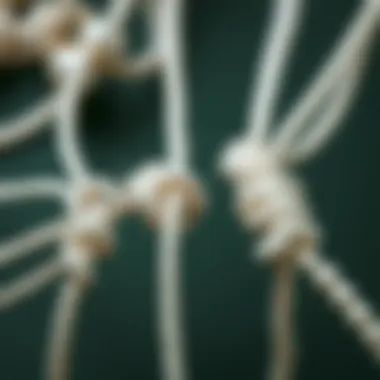

- Proficiency: Mastery of traditional knots often relies on experience. Jewelry makers would spend years honing their skills, making sure each knot's tension was just right to prevent breakage.
- Durability: Traditional knots can be remarkably sturdy when executed properly. However, they may not provide as secure a hold as the specialized knots executed with a pearl knotting tool.
- Visual Appeal: While some may appreciate the rustic charm of a traditional knot, a more refined aesthetic can often be harder to achieve. The appearance of messy or inconsistent knotting can detract from the overall elegance of a pearl necklace.
In essence, while traditional methods maintain a heartfelt connection to craft history, they could fall short in contemporary designs where precision and elegance are equally as important.
Modern Alternatives
As the world of jewelry-making evolves, so too do the methods and tools used. Modern alternatives to traditional knotting have emerged, often driven by advancements in technology and changing consumer preferences. Tools like the bead reamer or nylon threaders are designed to streamline the process.
- Efficiency: Modern alternatives often allow for quicker completion of projects. They are particularly advantageous for those who are manufacturing items in larger quantities or for commercial purposes.
- Technique Variety: New knotting methods also bring fresh techniques that can enhance creativity. Tools such as the knotting jig for example, provide users different forms of knotting patterns that traditional methods can’t match.
- User-Friendliness: Many modern methods are designed with beginner crafters in mind, offering easier handling and consistent results. This democratizes the craft, allowing more people to engage with jewelry-making than ever before.
In summary, modern alternatives often outperform traditional techniques in terms of speed and ease of use. However, some die-hard artisans still prefer traditional methods due to their timeless quality.
In the world of jewelry making, knowing when to use a traditional knot versus a pearl knotting tool or any modern alternative can profoundly impact the final product.
Ultimately, finding the right method boils down to personal preference, project demands, and the specific look a creator has in mind. Each method has merits, and combining traditional and modern practices could yield the best results for your jewelry endeavors.
Care and Maintenance of the Pearl Knotting Tool
Caring for your pearl knotting tool is not just a suggestion—it’s a necessity to ensure its longevity and optimal performance. Much like a car, a well-maintained tool can drive you towards better craftsmanship, while neglect could lead to setbacks or frustration. Regular upkeep can save you both time and money in the long run, as it keeps the tool in good working condition, reduces wear and tear, and enhances the quality of your work. Furthermore, understanding how to properly clean and store your tool will extend its usability, making each project that much more enjoyable.
Cleaning Protocols
Keeping your pearl knotting tool clean is essential for its performance and durability. Pearls and delicate materials are susceptible to oils and grime, which can impact the integrity of your work. Here’s how to keep things sparkling:
- Wipe Down After Use: After finishing a project, take a soft cloth and gently wipe down the tool to remove dust and residue.
- Use Mild Soap and Water: For deeper cleaning, you can use a solution of warm water with a bit of mild dish soap. Dip a clean cloth into this mixture and carefully wipe the surfaces of the tool. Avoid getting water in any moving parts.
- Check for Residue: Occasionally, inspect areas where knots could catch debris. A small, soft brush can be useful for reaching into crevices or tightening knots. If you notice any particles stuck, carefully dislodge them without force.
- Let it Dry Properly: After cleaning, allow the tool to air dry completely before storing it. This avoids rust or deterioration of materials.
“A clean tool is a happy tool! It’s worth taking a few extra minutes to maintain your craft equipment.”
Storage Suggestions
Where and how you store your pearl knotting tool can make all the difference in its lifespan. Improper storage can lead to damage—both to the tool itself and your work materials. Here are some effective strategies for keeping your tool secure and in optimal condition:
- Keep It in a Case: Investing in a dedicated case or padded pouch can protect the tool from dust and accidental knocks. Choose something compact that can be stored easily in your craft area.
- Avoid Damping: Store it in a dry environment, as excessive moisture can lead to rust or corrosion. A stable, climate-controlled room is ideal.
- Organize Your Craft Space: One way to prolong the lifespan of your tool is to keep your workspace tidy. When tools are crowded together, they can easily become scratched or damaged. Consider compartments or drawers that allow each item to have its own space.
- Regularly Rotate Tools: If you have multiple pearl knotting tools, consider using them interchangeably. This ensures you won’t wear one tool out faster than the others and promotes even usage.
By following these cleaning protocols and storage suggestions, you’re not just caring for a tool; you’re nurturing your creativity and craft. These practices help ensure that each pearl you knot shines its brightest, allowing your artistic vision to come to life without a hitch.
Applications Beyond Jewelry Making
The pearl knotting tool is often viewed through the lens of jewelry making, but its versatility spans far wider than just stringing pearls. Understanding its applications beyond this traditional use opens up a world of creative opportunities. Whether you’re a seasoned artisan or just starting out, recognizing how this tool can be utilized in various contexts is invaluable. Here, we delve into two significant applications: in textile and fabric work, as well as in home décor projects.
Textile and Fabric Applications
When it comes to textiles, the pearl knotting tool serves as an unsung hero. Many fabric artists have discovered that this simple tool can bridge the gap between traditional sewing techniques and innovative textile design. One primary benefit lies in its precision; knotting the threads ensures that fabrics maintain their integrity while being shaped into intricate patterns or designs.
For instance, consider using the pearl knotting tool when creating fabric jewelry or intricate fabric art pieces. The ability to tie knots at regular intervals allows for seamless incorporation of beads, pearls, or fabric embellishments into the design, enhancing visual appeal. Its use becomes particularly essential in projects like beaded fringes or laces, where the finesse of each knot can make or break the overall aesthetic. This precision fosters not only an aesthetic allure but also longevity in the final product.
Here’s a quick rundown of how the pearl knotting tool fits into textile applications:
- Fabric Jewelry: Incorporates knots for added design.
- Fringing: Keeps beads in place and maintains fabric structure.
- Embroidery: Facilitates pattern creation without compromising fabric integrity.
- Sashiko or other stitching: Ensures threads are secured properly.
Home écor Projects
The reach of the pearl knotting tool extends into the realm of home décor, offering creative types a chance to embellish their living spaces in unique ways. For anyone looking to elevate their home’s aesthetic without breaking the bank, this tool can be pivotal. Utilizing it in crafts such as custom curtains, wall hangings, or decorative garlands brings a touch of elegance that viewers will notice.
A standout application is creating custom curtain ties or wall hangings embellished with pearls or beads. Knotting not only secures these adornments but also allows for artistic expression in how the materials are arranged. Additionally, home enthusiasts can make use of the tool to create personalized table runners with stunning bead patterns that transform simple gatherings into elegant affairs.
Some practical examples of home décor projects might include:
- Knotting curtain tie-backs: Adds a refined touch to window treatments.
- Decorative garlands: Perfect for events or everyday décor that needs a special flair.
- Table settings: Incorporating unique handcrafted elements, such as embellished centerpieces, that make a statement.
- Wall art: Using knotted fabric or threads strung with beads or other embellishments.
Utilizing a pearl knotting tool in these applications not only injects creativity into everyday projects but also fosters a unique imprint in the home, turning ordinary items into exceptional displays of personal style.
"The pearl knotting tool is not just for jewelry; it’s a gateway into a more creative life, allowing for innovation in textiles and home décor."
Selecting the Right Pearl Knotting Tool
Choosing the right pearl knotting tool isn't just a matter of grabbing any old gadget off the shelf; it's about ensuring precision and achieving the best results in your jewelry-making endeavors. If you're into stringing pearls or delicate materials, having the right tool can make a world of difference in both ease of use and the final appearance of your creations.
The importance of selecting the appropriate knotting tool can’t be overstated. An ideal tool provides not just functionality, but it also enhances your overall crafting experience by reducing frustration and increasing efficiency. Moreover, it helps you achieve a professional finish in your work, elevating the quality of your jewelry pieces to a standard that resonates with both casual hobbyists and seasoned professionals alike.
Several elements come into play when deciding on a pearl knotting tool, and understanding these factors can greatly influence your choice.
Key Features to Consider
When it comes to selecting a pearl knotting tool, there are certain features that stand out:
- Material Quality: Look for tools made from durable materials. A good mix of stainless steel and high-grade plastic is often ideal. This ensures your tool won’t tarnish or break with regular use.
- Ergonomic Design: Comfort is key during long stints of crafting. Tools that fit well in your hand and reduce strain can improve your knotting efficiency.
- Tip Size and Shape: Different projects may require different tip sizes. A fine tip allows for precision work, while a broader one might be more suitable for heavier materials. Pay attention to this aspect based on the type of beads you intend to use.
- Adjustability: Some professional-level tools feature adjustable settings, allowing you to customize the tool to your specific needs, which can be a game changer depending on your projects.
- Ease of Use: The tool should be user-friendly. Complicated designs or instructions can lead to errors—especially for those new to knotting.
"A tool that feels right in your hand will turn a tedious task into a joyful rhythm."
Recommended Brands
Not all tools are created equal, and some brands have distinguished themselves with products that stand the test of time. Here are a few names to consider:
- Beadalon: Widely regarded in the crafting community for variety and ingenuity in jewelry-making tools, Beadalon's pearl knotters stand out for their ergonomic design and reliability.
- Miyuki: Known primarily for their beads, Miyuki also produces exceptional knotting tools that cater to both amateurs and professionals, boasting their precision and durability.
- Wubbers: Their pearl knotting tools combine unique design elements with effective functionality, often highlighted for ease of use.
- The Bead Smith: This brand offers a range of tools that are perfect for varying skill levels, especially designed for precision knotting with a good backbone of support resources like tutorials and tips.


Choosing the right pearl knotting tool is all about understanding your personal preferences and the specific demands of your projects. Taking the time to select wisely will pay off in your crafting practice, making every piece you create a testament to your skills.
Impact on Sustainable Jewelry Practices
The buzz around sustainability in fashion is like a drumroll marking the beginning of a new era. In the jewelry niche, the impact of sustainable practices has started making waves, and the pearl knotting tool plays a pivotal role in this movement. Not only does it facilitate the creation of beautiful pieces, but it also acts as a springboard for environmentally conscious choices. This segment explores how the use of this tool can lead to more mindful craftsmanship and design while also incorporating elements that benefit the planet.
Eco-Friendly Alternatives
When discussing options available to jewelry makers, eco-friendliness comes to the forefront. Eco-friendly alternatives in the context of the pearl knotting tool include biodegradable materials, such as organic silk threads or recycled nylon cords. These materials help minimize waste without compromising the aesthetics of the final product. For instance, opting for organic silk not only enhances the beauty of the pearls but also ensures that your creations are kinder to the environment.
Here are a few notable eco-friendly materials to consider:
- Organic silk: Cultivated without harmful chemicals, thus protecting ecosystems.
- Recycled nylon: Sourced from post-consumer waste, providing a second life to discarded materials.
- Natural fibers: Materials such as hemp or cotton that have a lower environmental footprint.
Choosing these options not only reflects a commitment to sustainable practices, but it is also an attractive selling point for potential buyers who are increasingly eco-conscious.
Ethical Sourcing of Materials
Next up is the topic of ethical sourcing, which goes hand-in-hand with sustainability in jewelry making. The importance of sourcing materials ethically cannot be overstated. It encompasses ensuring that the pearls and gemstones you are using are mined or harvested responsibly, without harming the ecosystem or exploiting workers. This is especially crucial in today’s market, where consumers are increasingly curious about the origins of the products they buy.
To integrate ethical practices into your work with the pearl knotting tool, consider the following steps:
- Research suppliers: Seek out companies that disclose their sourcing practices and maintain a commitment to fair trade.
- Support local artisans: Collaborate with local pearl farmers or jewelers who prioritize sustainable methods.
- Certifications: Look for pearls that have received certifications such as Fair Trade, which guarantees that the pearls were sourced without exploitation.
As part of your design process, consider including a label or information card that shares the sourcing story behind your materials. This transparency not only builds trust with customers but also aligns with the growing demand for ethical consumption.
"There is a growing understanding that making beautiful jewelry does not have to come at the expense of our planet or its people."
In summary, the impact of sustainable practices on jewelry making, particularly with tools like the pearl knotting device, enables artisans to innovate within an ethical framework. From eco-friendly materials to mindful sourcing, leveraging these strategies can significantly enhance the narrative and appeal of your creations.
Community and Expert Insights
In the realm of jewelry making, community and expert insights serve as invaluable resources for both novices and seasoned artisans alike. By tapping into the collective knowledge and experience of others, crafting enthusiasts can not only improve their skills but also enrich their understanding of the design and functionality of the pearl knotting tool. This segment of the article sheds light on the significance of community engagement and professional expertise when it comes to mastering this intricate craft.
Interviews with Jewelry Designers
Featuring insights from professional jewelry designers reveals a treasure trove of techniques and tips that can elevate one’s craftsmanship. Designers often have their own stories, laden with trials and errors that can save others from making similar mistakes. When it comes to pearl knotting tools, experienced designers can share specific preferences regarding certain brands or types that work best for particular projects.
For instance, renowned designer Clara Chen emphasizes the importance of tension in knotting: "Finding the right tension is akin to balancing on a tightrope. It can make or break your piece. I prefer using a knotting tool that allows for that kind of control." These personal anecdotes not only humanize the art but also provide practical insights that are hard to come by in textbooks.
"Your tool is an extension of your artistry. Choose wisely and it will serve you well."
- Rachel Goodwin, Jewelry Designer
User Experiences and Testimonials
User experiences play a crucial role in shaping perceptions about the pearl knotting tool. Testimonials from hobbyists and professionals alike offer a grounded perspective on the tool’s versatility and usefulness. For example, many users note how their initial skepticism about a specific design was overcome by its performance. One user remarked, "I was hesitant to invest in a new knotting tool, but once I tried it, the difference was night and day. My knots are more secure, and I spend less time fixing mistakes."
Collectively, these experiences often coalesce around certain themes: ease of use, effectiveness, and the joy of creating something beautiful. A survey conducted on platforms like Reddit often surfaces comments detailing best practices, such as how different materials — be it silk or nylon — interact with the knotting tool, thus affecting the end result of the jewelry piece.
In short, both community insights and expert interviews underscore a core truth: the journey of jewelry making with a pearl knotting tool is not one traveled alone. The shared wisdom and collective experiences foster an environment conducive to growth and mastery.
The Future of Knotting Tools in Jewelry Making
In the ever-evolving realm of jewelry making, the tools that artisans use play a key role in shaping creativity and innovation. The pearl knotting tool is no exception. As we look to the future, it's essential to understand not just where this tool stands today but also how it may evolve. The direction that knotting tools are headed will likely redefine how jewelry is crafted, enabling both skilled artisans and hobbyists to push the boundaries of their designs.
Technological innovations promise to improve efficiency, ease of use, and overall craftsmanship. More than just gadgets, these advancements could fundamentally alter the way artists approach their work. With an increasing focus on sustainability and ethical sourcing, the future of knotting tools is also intertwined with responsible practices, emphasizing a shift toward eco-friendly methods that resonate with conscientious consumers.
An essential element in this discussion revolves around where the industry is headed. Not only must these tools remain functional, but they also need to appeal to our modern sensibilities. Thus, understanding these future trends is vital for anyone involved in jewelry making, whether they are seasoned professionals or starting out in the field.
Technological Advancements
As the world of jewelry making continues to blend with technology, knotting tools are not standing still. Emerging tools will include smart features, perhaps guided by apps, that can assist users in knotting techniques. Imagine a tool that connects to your smartphone, offering tutorials or troubleshooting tips in real-time.
3D printing is also making waves in this area. Designers might even be able to create custom pearl knotting tools fitted exactly to their preferences or specific project requirements. Moreover, biodegradable materials for tool construction might allow artists to reduce their carbon footprint. As these technologies develop, one can expect knotting tools to become more tailored, efficient, and sustainable.
"The trajectory of knotting tools is set not just by creativity but also by the insistence on marrying functionality with responsibility."
Predictions and Trends
The future trends for knotting tools are ripe with possibilities. One significant trend is the rise of kits designed for specific skill levels, guiding users from novice to expert through a series of projects, possibly incorporating various knotting styles. This can be particularly advantageous for fashion enthusiasts wanting to enhance their crafting repertoire.
Customization is another likely trend. Artists will increasingly seek tools that can be personalized to match their specific styles and themes, thus ensuring that their final products remain unique. Furthermore, as online communities continue to flourish, sharing insights and techniques on platforms like Reddit and Facebook, the integration of feedback from these communities into new tool designs might become commonplace.
As discussions around sustainability gain traction, there is a likely shift towards tools that not only provide excellent performance but are also ethically produced. Practitioners may opt for tools that employ sustainable materials, motivating manufacturers to innovate in this respect. This focus on eco-friendly designs will likely create a standard that all new tools must meet to succeed in the market.
Overall, as we look towards the horizon, the future of knotting tools appears aligned with technological advancements, customization options, and sustainable practices. Keeping an eye on these developments will serve any jewelry maker well in adapting to the changing landscape.
Culmination
In wrapping up this comprehensive guide on the pearl knotting tool, it's crucial to underscore its significance in the realm of jewelry making. While many tools and methods exist for crafting beautiful adornments, the pearl knotting tool stands out as an essential companion for both novice and seasoned artisans.
The pearl knotting tool not only facilitates the delicate task of stringing pearls but also imbues each piece with a sense of artistry and care. With its ability to secure knots between pearls, the tool ensures that even the most fragile elements of your creation remain safe and steadfast, which is vital in maintaining the integrity of the overall design. This feature is not merely practical but also enhances the aesthetic appeal, allowing for a polished and well-finished look.
Considering the increasing demand for handcrafted jewelry in today's market, understanding the pearl knotting tool becomes imperative. Its role transcends the physical act of knotting; it's about honoring tradition while embracing contemporary practices. This juxtaposition contributes to the rising popularity of sustainable and ethically sourced jewelry, as artisans seek to make more meaningful choices concerning materials and methods. Crafting jewelry using this tool can pave the way for unique creations that resonate with both the maker and the wearer.
To sum it up, the pearl knotting tool is more than just a means to an end; it represents the intersection of history, creativity, and craftsmanship. As you refine your skills and explore its applications, remember that each knot is a small part of a larger story—a story that continues to evolve in the hands of artisans today.
”The craft is only as good as the tool you wield.”
In this ever-changing landscape of fashion and design, keeping abreast of the best practices in using the pearl knotting tool will equip you with the knowledge to create stunning works. Hence, embracing this tool involves much more than technique; it entails a commitment to artistry, sustainability, and personal expression that every jewelry creator ought to cherish. For further reading on knotting techniques, resources such as Wikipedia and Britannica can provide added depth.
By fully understanding and utilizing the pearl knotting tool, you not only elevate your designs but also contribute to a richer narrative within the jewelry-making community.”